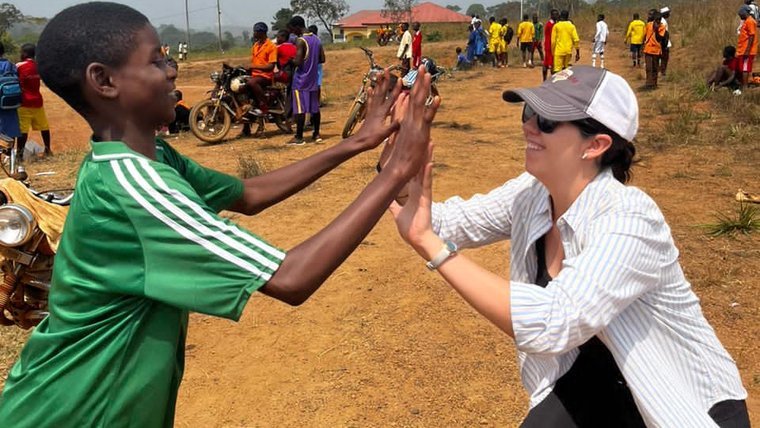
Peace Corps jobs continue to offer unparalleled opportunities for personal growth and community impact. Whether you’re a recent graduate or a seasoned professional, these roles blend service, travel, and skill-building in ways that few careers can match. In this guide, we’ll delve into the world of Peace Corps jobs, from volunteer positions to agency roles, helping you decide if this path aligns with your aspirations.
What Are Peace Corps Jobs?
At its core, Peace Corps jobs encompass a spectrum of service-oriented positions designed to promote world peace and friendship. Primarily, they refer to volunteer assignments in which individuals live and work alongside host-country communities, addressing local needs in areas such as education, health, and economic development.
However, the term also extends to domestic and international staff roles within the agency itself, supporting operations from recruitment to programming.
Furthermore, Peace Corps jobs are not your typical 9-to-5 gigs. Volunteers commit to immersive experiences, often in rural or underserved areas, where they collaborate on projects tailored to community priorities.
For instance, you might teach English in a Mongolian school or lead environmental conservation efforts in Fiji. This hands-on approach ensures that Peace Corps jobs create lasting change, as volunteers don’t just help but also empower locals to sustain progress long after departure.
In addition to traditional roles, the Peace Corps has evolved to include innovative options like short-term Response assignments and even virtual service pilots. As of 2025, with operations in over 60 countries, these positions adapt to global challenges, from climate resilience to digital literacy.
But what makes Peace Corps jobs stand out? It’s the emphasis on mutual exchange: volunteers learn as much from their hosts as they give, building resilience and global perspectives that resonate in any career.
Types of Peace Corps Jobs
Diving deeper, Peace Corps jobs span six key sectors, each offering unique ways to apply your skills. Let’s explore them briefly to spark your interest.
Education: If you’re passionate about empowering youth, consider teaching roles in literacy, STEM, or teacher training. Volunteers often develop curricula that incorporate local cultures, making learning engaging and relevant.
Health: From HIV/AIDS prevention to maternal health initiatives, these positions involve community outreach and capacity building. No medical degree required—just a commitment to wellness.
Agriculture and Food Security: Help farmers adopt sustainable practices amid climate change. Think agroforestry projects in Africa or irrigation systems in Asia.
Environment: Tackle conservation head-on, leading reforestation or water sanitation efforts. Ideal for eco-enthusiasts ready for fieldwork.
Youth in Development: Mentor young leaders through after-school programs or sports initiatives, fostering leadership and gender equity.
Community Economic Development: Support small businesses and microfinance, driving local entrepreneurship.
Beyond volunteers, agency Peace Corps jobs include administrative roles like program managers, safety officers, and recruitment specialists. For example, a Deputy Director of Programming and Training coordinates volunteer training globally.
Short-term options, such as Peace Corps Response, cater to experienced professionals for 6-12 month stints, while the Virtual Service Pilot allows remote contributions in tech or marketing—perfect if travel isn’t feasible right now.
Moreover, for returned volunteers, exclusive job boards list federal positions prioritizing Peace Corps experience, from USAID roles to nonprofit gigs. With such variety, Peace Corps jobs truly cater to diverse backgrounds and goals.
Requirements for Landing Peace Corps Jobs
Securing Peace Corps jobs demands preparation, but the bar is accessible. First and foremost, you must be a U.S. citizen aged 18 or older, with no upper limit, as many thrive in their 50s and beyond. A bachelor’s degree is preferred for standard volunteer roles, though equivalent work experience (like three years in education) suffices. Language aptitude helps, but training covers the basics.
However, the real prerequisites are adaptability, cultural humility, and a clean background check. Volunteers undergo medical and legal screenings to ensure safety. For agency positions, qualifications vary: a program manager might need a master’s in international development, while support roles prioritize organizational skills.
READ ALSO!!!
Navigating the Application Process
Applying for Peace Corps jobs is straightforward yet thorough, taking 3-12 months. Start by browsing openings on the official site (peacecorps.gov/volunteer), filtering by sector and country. Submit an online application detailing your experience and motivations—be authentic, as essays reveal your fit.
Next, expect interviews: a phone screening followed by in-person or virtual panels assessing your resilience. If selected, medical clearance and skill-building pre-service training (PST) follow. PST, lasting 2-3 months in-country, hones language and technical skills.
Transitionally, for Response or virtual roles, the process accelerates for those with expertise. Track your status via the applicant portal, and remember: flexibility boosts chances. Thousands apply annually, but with persistence, your spot awaits.
Benefits of Peace Corps Jobs
Why pursue Peace Corps jobs? The rewards are profound. Volunteers receive a modest living allowance covering housing and food, plus comprehensive health coverage, including dental and evacuation insurance. Upon completion, a readjustment allowance of $10,000 in eases reentry, often funding grad school or startups.
Additionally, non-competitive eligibility for federal jobs post-service opens doors in diplomacy or environmental policy.
The experience hones leadership, cross-cultural communication, and problem-solving—skills employers covet. Many alumni report heightened empathy and career acceleration; 85% enter fields like international affairs or education.
Yet, the intangible perks shine brightest: lifelong friendships, a renewed sense of purpose, and stories that inspire. Imagine returning with fluency in Swahili and a network spanning continents—priceless.
Challenges and How to Overcome Them
No discussion of Peace Corps jobs is complete without addressing hurdles. Isolation, cultural shock, and limited amenities test resolve. Health risks or political instability can arise, though robust support mitigates them.
However, preparation is key. Join alumni networks for insights, practice mindfulness for mental resilience, and pack light, focus on experiences over comforts. With agency backing, including 24/7 crisis lines, most volunteers emerge stronger. Consider: What challenge would you conquer for global good?
Preparing for Your Peace Corps Adventure
Ready to apply? Build a strong resume highlighting transferable skills. Learn about your target country via podcasts or books. Physically, train for hikes; mentally, journal your “why.”
Furthermore, connect with returned volunteers through events or LinkedIn. Resources like the Peace Corps Prep program at universities ease entry.
In summary, Peace Corps jobs offer a gateway to meaningful service, blending challenge with profound reward. From sector-specific volunteer gigs to agency careers, opportunities abound for those eager to contribute. Check our homepage for updates on this and more.