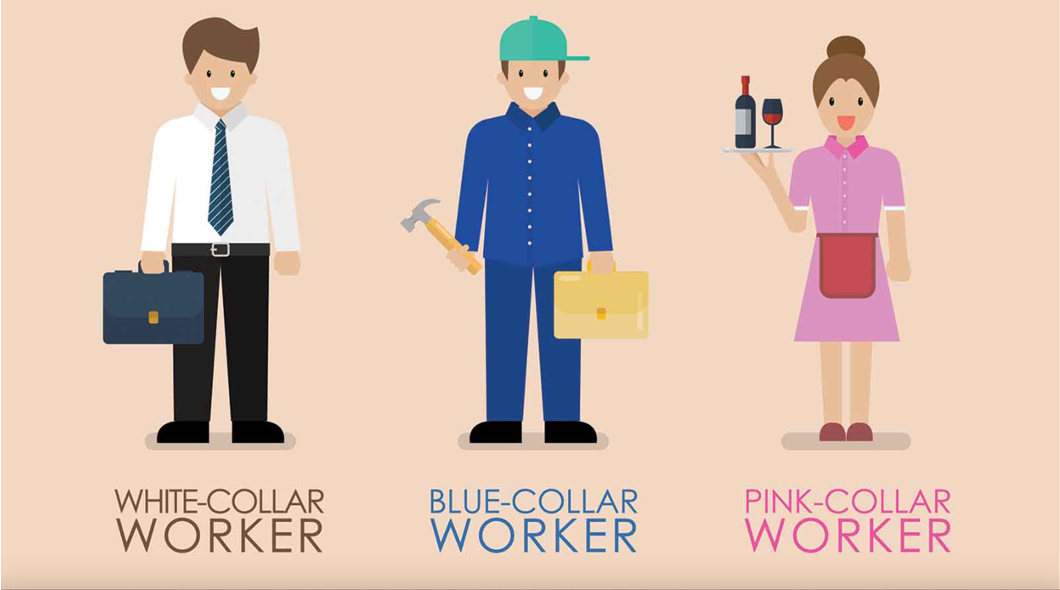
Have you ever wondered why certain professions seem dominated by one gender, and what that means for our workforce? In this detailed exploration, we’ll dive into the world of occupations often associated with caregiving and service roles. These positions, commonly referred to as pink collar jobs, play a vital role in society yet frequently face underappreciation. Let’s unpack their history, examples, challenges, and prospects to gain a deeper insight.
The Origins of Pink Collar Jobs
To begin with, the term “pink collar” emerged in the late 1970s, coined by writer Louise Kapp Howe to describe roles traditionally filled by women. This classification draws from the earlier “blue collar” for manual labour and “white collar” for office-based work.
Pink collar jobs typically involve service-oriented tasks that require interpersonal skills, empathy, and attention to detail.
Historically, during the Industrial Revolution and post-World War II era, women entered the workforce in large numbers through these avenues, as they were seen as extensions of domestic responsibilities.
Moreover, societal norms reinforced this segregation. For instance, in the mid-20th century, women were encouraged to pursue careers in education or healthcare, while men dominated manufacturing or corporate sectors.
This gender-based division wasn’t just cultural; it was economic. Pink collar jobs often offered flexible hours, allowing women to balance family duties, but at the cost of lower wages and limited advancement opportunities.
As we transition into modern times, however, globalization and technological advancements have begun to reshape these dynamics. What do you think? Has this evolution helped or hindered gender equality in the workplace?
Common Examples of Pink Collar Roles
When we think about pink collar jobs, several professions immediately come to mind. Nursing stands out as a prime example, where practitioners provide essential healthcare services, from patient care to administrative tasks.
According to labor statistics, over 85% of nurses in many countries are women, highlighting the gendered nature of this field.
In addition, teaching, particularly at elementary and preschool levels, falls into this category. Educators in these roles nurture young minds, fostering development through interactive lessons and emotional support.
Secretarial and administrative positions also qualify, involving organization, communication, and multitasking skills that are indispensable in any office environment.
Furthermore, retail and hospitality workers, such as waitstaff or customer service representatives, embody pink collar traits.
These jobs demand high levels of patience and people skills, often in fast-paced settings. Childcare providers, like daycare workers or nannies, round out the list, emphasizing caregiving as a core element.
If you’re in one of these fields, how do you navigate the daily demands? Sharing experiences could illuminate common threads across these varied roles.
READ ALSO!!!
- Peace Corps Jobs
- Jobs for Stay at Home Moms: Complete Guide
- Rope Access Jobs Abroad: Your Ultimate Guide
- Job Vacancies Abroad with No Experience
Key Characteristics and Societal Perceptions
Transitioning to the traits that define pink collar jobs, one notable aspect is their emphasis on “emotional labor.”
This concept, introduced by sociologist Arlie Hochschild, refers to the effort required to manage emotions to fulfill job expectations think of a flight attendant maintaining a smile during turbulence.
Such roles often involve nurturing, which aligns with traditional feminine stereotypes, leading to both fulfilment and burnout.
However, these positions are frequently undervalued economically. Wages in pink collar sectors tend to lag behind those in male-dominated fields, even when education levels are comparable.
For example, a registered nurse might earn less than an engineer with similar training. This pay gap contributes to broader gender inequality, as women, who comprise the majority in these jobs, face financial disparities.
In contrast, benefits like job stability and intrinsic rewards, such as making a difference in people’s lives, offer positives. Yet, challenges persist, including limited career progression and vulnerability to automation.
As AI integrates into administrative tasks, how might this impact workers? Engaging with this question encourages us to consider proactive measures, like upskilling programs.
Economic Impact and Gender Dynamics
Delving deeper, pink collar jobs significantly influence the economy. They form the backbone of service industries, which account for a substantial portion of GDP in developed nations.
In the United States, for instance, healthcare and education sectors employ millions, driving economic growth through consumer spending and innovation.
Nevertheless, the feminisation of these roles has sparked debates on “devaluation.” Research suggests that as more women enter a field, average salaries decline, a phenomenon observed in teaching and social work.
This not only affects individual earners but also perpetuates poverty cycles, particularly among single mothers reliant on these incomes.
On a positive note, movements like MeToo and advocacy for equal pay have spotlighted these issues. Policies promoting paid family leave and affordable childcare could alleviate burdens.
Imagine if more men entered pink collar jobs. Would that normalize higher wages and reduce stigma? This interactive thought experiment highlights the potential for cultural shifts to foster equity.
Challenges Faced by Workers in These Fields
Building on that, workers in pink collar jobs encounter unique hurdles. Physical demands, such as long hours on feet for retail employees or lifting patients for nurses, can lead to health issues. Emotional exhaustion from constant empathy-giving adds another layer, often without adequate mental health support.
Additionally, discrimination and harassment remain prevalent. In male-supervised environments, women may face biases that hinder promotions.
During economic downturns, like the COVID-19 pandemic, these essential workers were hailed as heroes yet received minimal compensation increases.
To address this, unions and professional associations are pushing for reforms. For example, teacher strikes have secured better pay in some regions. If you’re advocating for change, what strategies resonate with you? Encouraging dialogue can amplify voices and drive systemic improvements.
Future Trends and Opportunities
Looking ahead, the landscape for pink collar jobs is evolving rapidly. Technological integration, such as telehealth in nursing or online learning platforms for teachers, offers new efficiencies.
However, it also raises concerns about job displacement, as administrative roles might automate routine tasks, freeing time for complex interactions.
Moreover, demographic shifts, like aging populations, will boost demand for healthcare and eldercare positions. This could elevate status and pay if supply shortages prompt investments. Diversity initiatives aim to attract more men and underrepresented groups, potentially balancing gender ratios.
In terms of opportunities, reskilling in digital tools or leadership can open doors to advancement. Entrepreneurship, like starting a home-based childcare service, empowers individuals.
As we ponder the future, ask yourself: How can society better support these vital roles? This question invites reflection on collective responsibility.
Embracing the Value of Pink Collar Work
In summary, pink collar jobs encompass a diverse array of professions that sustain our communities through care and service.
From their historical roots to contemporary challenges, these roles highlight gender dynamics in the workforce. While issues like pay inequity persist, emerging trends promise progress.
Ultimately, recognising the importance of pink collar jobs fosters appreciation and reform. Whether you’re in such a position or simply curious, engaging with this topic can inspire action.
Let’s continue the conversation with what changes you would like to see. By valuing these contributions, we build a more equitable society. Stay on our homepage for updates on this and more.