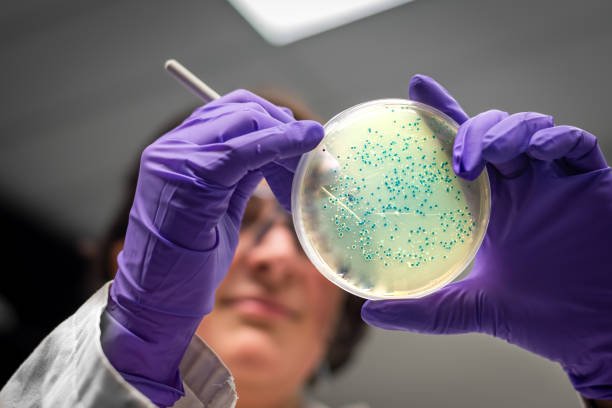
Microbiology degree equips graduates with knowledge of microorganisms like bacteria, viruses, and fungi, paving the way for roles in healthcare, research, and beyond. In this comprehensive guide, we’ll explore various aspects of these opportunities, from entry-level positions to advanced careers. Whether you’re a student or a professional seeking a change, understanding microbiology degree jobs is essential for informed decisions.
What Do Microbiology Degree Jobs Entail?
To start, a microbiology degree typically involves studying microbial life at the cellular level, including genetics, ecology, and pathology.
Bachelor’s programs, often lasting four years, cover foundational sciences such as biology, chemistry, and physics, alongside specialized courses in virology and immunology. Many include lab work, internships, or research projects to build practical skills.
Moreover, pursuing advanced degrees like a master’s or PhD can enhance prospects in microbiology degree jobs. For instance, a PhD is often required for independent research or academic roles.
According to reliable sources, most entry-level positions demand at least a bachelor’s degree, with hands-on experience being a key differentiator. If you’re wondering about your educational path, have you considered online programs or certifications to supplement your degree?
Top Microbiology Degree Jobs to Consider
Transitioning to specific roles, microbiology degree jobs span diverse sectors. Let’s examine some prominent ones, including primary duties and potential earnings.
First, clinical microbiologists work in hospitals or labs, identifying pathogens in patient samples to aid diagnosis. They ensure accurate testing for infections, often earning around $60,000 to $90,000 annually, depending on experience.
In addition, research microbiologists in pharmaceutical companies develop new drugs or vaccines, conducting experiments and analyzing data. This role might offer salaries from $70,000 to $120,000, with opportunities for advancement.
Furthermore, food microbiologists ensure product safety in the food industry by testing for contaminants. Their work prevents outbreaks, and average pay hovers around $65,000.
Environmental microbiologists, on the other hand, study microbes in soil, water, and air to address pollution or climate issues, often in government agencies with salaries starting at $55,000.
Other notable microbiology degree jobs include biotechnologists, who engineer microbes for biofuels or enzymes, potentially earning $80,000-plus.
Academic researchers teach and conduct studies at universities, requiring advanced degrees and offering median wages of about $87,000.
Forensic scientists apply microbiology to crime scenes, analyzing biological evidence, while parasitologists focus on parasites affecting humans or animals.
In the realm of public health, epidemiologists track disease patterns, blending microbiology with data analysis. Salaries here can reach $100,000 in senior positions.
Quality control analysts in manufacturing ensure compliance with health standards, a role ideal for detail-oriented individuals. Marine biologists with a microbiology focus study ocean microbe, contributing to ecology and conservation.
Additionally, science writers communicate complex findings to the public, often freelancing or working for media outlets. Professors in microbiology educate the next generation, combining teaching with research.
What appeals to you most among these microbiology degree jobs—hands-on lab work or policy-influencing roles?
Essential Skills for Success in Microbiology Degree Jobs
Building on job variety, certain skills are crucial across microbiology degree jobs. Analytical thinking tops the list, as professionals must interpret data from experiments. Communication skills are vital for reporting findings or collaborating with teams.
Moreover, proficiency in lab techniques, such as culturing microbes or using microscopes, is non-negotiable. Problem-solving abilities help tackle unexpected challenges, like antibiotic resistance. In today’s digital age, familiarity with bioinformatics tools for genetic sequencing adds value.
However, soft skills like attention to detail and perseverance during lengthy research projects cannot be overlooked. Certifications, such as those from the American Society for Microbiology, can boost employability. If you’re building your resume, how might you highlight these skills through internships or projects?
READ ALSO!!!
- Scaffolding Jobs Abroad in 2026
- How to Prepare a CV That Gets Noticed
- Sabbatical Jobs Abroad in 2026 and Beyond
- Student Jobs Abroad
Salary Expectations and Job Outlook for 2026 and Beyond
When evaluating microbiology degree jobs, financial aspects matter. The median annual wage for microbiologists is approximately $87,330, with top earners exceeding $150,000 in specialised fields such as pharmaceuticals. Entry-level positions might start lower, around $50,000, but experience and location influence earnings.
In terms of outlook, employment is projected to grow by 4% from 2024 to 2034, in line with average occupational growth. This expansion stems from demands in biotechnology, public health, and environmental protection.
For example, the push for new vaccines and sustainable practices will create openings. Nevertheless, competition remains stiff, especially for advanced roles, so networking is key. Do economic trends in your region align with this positive outlook for employment in microbiology fields?
Emerging Trends Shaping Microbiology Degree Jobs
Looking ahead, trends like synthetic biology and microbiome research are transforming microbiology degree jobs. Advances in CRISPR technology enable gene editing, opening roles in genetic engineering.
Furthermore, the rise of personalized medicine relies on microbial insights for treatments. Climate change amplifies need for microbiologists in bioremediation, cleaning pollutants via microbes. The COVID-19 legacy has heightened focus on virology, boosting jobs in pandemic preparedness.
In contrast, automation in labs might streamline routine tasks, allowing focus on innovation. Global challenges, such as antimicrobial resistance, ensure ongoing demand. If these trends excite you, how could you prepare for future microbiology degree jobs through continuous learning?
Strategies to Secure Jobs
To land desirable positions, start with a strong resume emphasizing lab experience and relevant coursework. Networking via conferences or platforms like LinkedIn connects you with professionals.
Additionally, internships in hospitals or research firms provide practical exposure. Tailor applications to highlight how your skills meet job needs. For international opportunities, consider roles in global health organisations.
However, challenges like job market saturation in academia persist, so diversify applications across industries. Mentorship from alumni can offer guidance. What steps are you taking to stand out in the competitive landscape of microbiology degree jobs?
Challenges and Rewards in the Field
Despite rewards, microbiology degree jobs come with hurdles. Long hours in labs or fieldwork can lead to burnout, and handling hazardous materials requires strict safety protocols.
On the positive side, the intrinsic satisfaction of contributing to health advancements, like developing life-saving antibiotics, is immense. Many find fulfilment in solving real-world problems, from food safety to environmental conservation.
Moreover, career flexibility allows transitions between sectors, enhancing job security. Balancing these aspects, professionals often report high job satisfaction. Reflecting on your priorities, what rewards in microbiology degree jobs motivate you most?
Embracing the Potential of Microbiology Degree Jobs
In summary, microbiology degree jobs offer a blend of scientific rigour and societal impact, from clinical roles to innovative research.
With steady growth and competitive salaries, this field suits those passionate about microscopic worlds. As we’ve discussed, preparation through education, skills, and networking is crucial.
Ultimately, whether you’re eyeing environmental or biotech paths, exploring microbiology degree jobs can lead to rewarding careers.
What questions do you have about entering this dynamic arena? By staying informed, you position yourself for success in these vital professions. Visit our homepage for more.