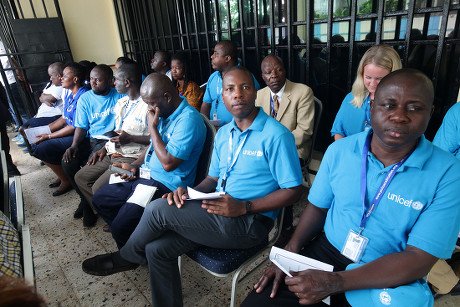
Have you ever imagined a career where your daily work directly safeguards the rights and futures of children worldwide? UNICEF jobs offer precisely that, a profound opportunity to contribute to life-changing initiatives in over 190 countries, from emergency response in crisis zones to long-term development programs. Let’s dive into the types of positions, qualifications, benefits, and proven strategies to secure your dream role. What aspect of championing children’s rights excites you most?
Why Pursue UNICEF Jobs in 2026?
Transitioning to a career at UNICEF isn’t just professional but also transformative. Moreover, with UNICEF’s mandate focused on the most vulnerable children, employees often describe their work as a “calling” rather than a job.
In an era of increasing humanitarian needs, UNICEF operates in diverse settings: headquarters in New York, regional offices, and field locations in developing nations.
Additionally, the organization emphasizes diversity, equity, and inclusion, actively recruiting from underrepresented groups.
Have you considered how your skills in health, education, or logistics could help reach the Sustainable Development Goals for children?
Many staff report accelerated personal growth, global mobility, and the satisfaction of seeing tangible impacts, such as vaccinating millions or rebuilding schools post-disaster.
Types of UNICEF Jobs and Career Categories
The spectrum of UNICEF jobs is broad, accommodating various expertise levels and contract types. Primarily, positions fall into six categories:
International Professionals (IP): Globally recruited experts in leadership, managerial, or specialist roles, such as Child Protection Specialists or Supply Chain Managers.
National Officers (NO): Country nationals handling technical and professional duties in their home nations.
General Service (GS): Administrative and support staff, often locally recruited.
Consultants and Individual Contractors: Short-term experts for specific projects.
UN Volunteers and Junior Professional Officers (JPO): Stipended roles for emerging talent, often government-sponsored.
Internships: Paid or stipended opportunities for students and recent graduates.
Furthermore, functional areas include Programmes (e.g., Education, Health, Nutrition), Operations (HR, Finance, Supply), External Relations, and Emergency Response.
Popular 2025 openings feature WASH (Water, Sanitation, Hygiene) Officers, Monitoring & Evaluation Specialists, and PSEA (Prevention of Sexual Exploitation and Abuse) Coordinators. Entry-level paths like the Internship Programme or JPO scheme serve as gateways, and many senior leaders started here.
READ ALSO!!!
Top Locations and Duty Stations for UNICEF Jobs
Where do UNICEF jobs take you? Opportunities span headquarters (New York, Geneva, Copenhagen), regional hubs, and 190+ country offices.
High-demand locations include Africa (e.g., Nigeria, Kenya, for health programs), Asia (India, Bangladesh for nutrition), Latin America (Peru, Brazil), and emergency zones like Ukraine or the Middle East.
Moreover, shared service centres in Budapest and Valencia offer roles in IT and administration. Field postings often involve hardship duty stations with additional allowances, while HQ provides policy influence.
Have you dreamed of working in vibrant cities like Amman or remote areas, making a direct impact? Mobility is encouraged—many staff rotate every few years.
Qualifications and Eligibility Requirements
Securing UNICEF jobs demands alignment with rigorous standards. For International Professionals, expect:
– Advanced university degree (Master’s or higher) in relevant fields like public health, international development, or law.
– 5–15+ years of progressively responsible experience, often in developing countries or emergencies.
– Fluency in English; proficiency in another UN language (French, Spanish, Arabic, etc.) is a major asset.
National Officers typically need an advanced degree and local expertise. General Service roles may require a high school diploma plus experience.
Additionally, all applicants must embody UNICEF’s values: care, respect, integrity, trust, accountability, and sustainability. No immediate family members can work in your reporting line.
For internships: Be enrolled in or recently graduated from a degree program, aged 18+, with strong academics. What skills do you bring? field experience, data analysis, or multilingualism?
Salary Expectations, Benefits, and Compensation Package
Compensation for UNICEF jobs follows UN scales, ensuring competitiveness and tax exemption in most cases.
International Professional salaries start around $80,000–$100,000 annually for P-3 levels, rising to $150,000+ for senior P-5/D-1 roles, plus post adjustment for location. National Officers earn locally competitive pay, while GS staff follow country-specific scales.
Benefits are exceptional: Health insurance, pension, 30 days annual leave, education grants for children, home leave travel, hardship allowances, and relocation support.
Furthermore, consultants receive paid time off, and interns often get stipends (e.g., $1,500/month in some offices).
Wellbeing programs include flexible work, learning via Agora platform, and mental health support. Have you factored in how these perks support work-life balance, especially for families in field assignments?
The Application Process: Step-by-Step Guide
Ready to apply for UNICEF jobs? The process is online via jobs.unicef.org or unicef.org/careers. Key steps:
- Create a profile and set job alerts.
- Tailor your CV, cover letter, and application to the vacancy—highlight quantifiable impacts.
- Submit before deadlines; save progress if needed.
- Shortlisting involves profile review, followed by written assessments, competency-based interviews, and reference checks.
Moreover, UNICEF never charges fees—beware scams. Selection can take weeks to months due to volume. Tips: Use keywords from the job description, prepare for behavioural questions (e.g., “Tell me about a time you worked in a multicultural team”). For internships, customize your motivation statement.
Challenges include high competition (thousands apply per role), but persistence pays—many reapply successfully.
Talent Programmes and Entry Points
For newcomers, explore:
– Internships: 6–26 weeks, paid in many cases, worldwide.
– Junior Professional Officer (JPO): 2–3 years, sponsored by governments for young professionals.
– UN Volunteers: Stipended roles building experience. These often lead to full-time UNICEF jobs.
Furthermore, as the United Nations Children’s Fund continues to address pressing global challenges like climate change impacts on children, vaccine equity, and education in conflict areas, demand for passionate professionals remains high in 2026.
Whether you’re an experienced specialist eyeing International Professional roles or a recent graduate exploring internships, this detailed guide covers everything you need.
In conclusion, UNICEF jobs in 2025 represent more than employment; they’re a platform to create lasting change for generations of children.
With diverse roles, robust support, and global reach, your expertise could protect vulnerable kids in ways few organizations can.
What role aligns with your passion, field-based emergency work or strategic policy at HQ? Start building your profile today at unicef.org/careers, and join a community dedicated to every child’s right to thrive. Your journey to making a difference starts now.